
Skip to content
PM MITRA Park Lucknow

Apparel · Lucknow, Uttar Pradesh

Garment Manufacturing in Lucknow

Set up and scale garment manufacturing in Lucknow — people, machines, compliance, buyers and export.

Lucknow and apparel

A city that already knows cloth

Lucknow is known for chikankari, a GI-registered hand-embroidery craft.

A factory runs on lines and buyer schedules, not craft. But the city brings needlework skills, an embellishment ecosystem and ethnic-wear design sense.

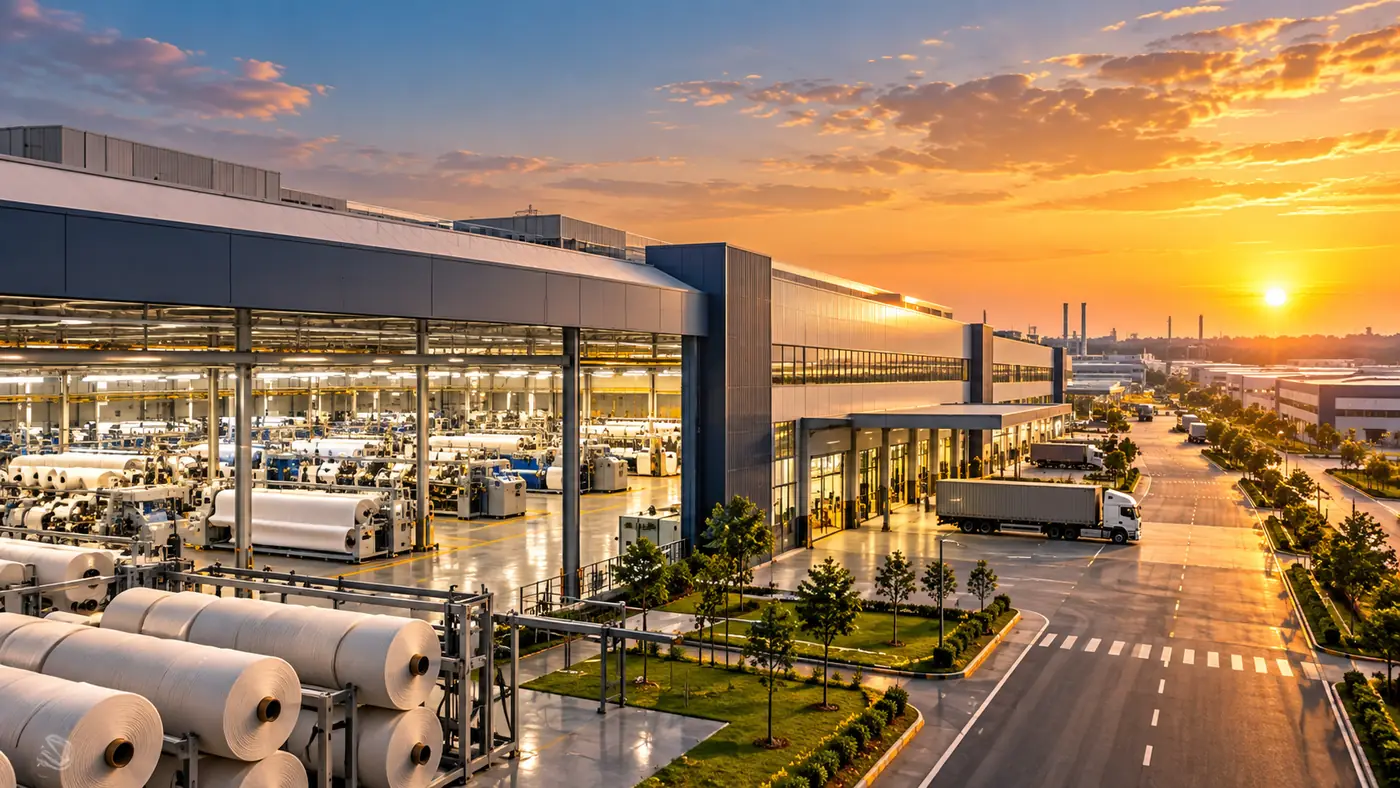
Artist’s impression: textile manufacturing unit with fabric rolls and an internal roadArtist’s impression

Start with the product

Pick your segment first

Segment decides machinery, fabric, buyers and floor layout.

  • Knitwear

    Typical buyers
    Basics, activewear, loungewear
    What it means
    High volume; flatlock capacity
  • Woven shirts & bottoms

    Typical buyers
    Brands and export buyers
    What it means
    More operations; tight quality control
  • Ethnic & occasion wear

    Typical buyers
    Domestic brands and retail
    What it means
    Short runs; value addition matters
  • Kidswear

    Typical buyers
    Brands and export buyers
    What it means
    Strict safety and chemical rules
  • Uniforms & workwear

    Typical buyers
    Institutional and corporate buyers
    What it means
    Tender-driven, repeatable styles

Setting up a garment unit

Five practical considerations

What decides whether a new unit hits efficiency on schedule.

Consideration 01

Workforce and skilling

Line output depends on operator skill and retention more than machines. Build training into ramp-up; schemes like Samarth can help, subject to terms.

Plan for

  • Safe shift transport
  • Nearby worker accommodation
  • Training-to-line pathway
Consideration 02

Machinery and line design

Machine mix follows product: lockstitch for wovens, flatlock and coverstitch for knits. Pick bundle or modular flow early — it shapes layout.

Plan for

  • Machines matched to product
  • Spares for line balancing
  • Back-up power for critical sections
Consideration 03

Regulatory and buyer compliance

Factory, fire and labour-law compliance, plus buyer audits such as SMETA, WRAP or amfori BSCI. Designing for audits beats retrofitting.

Plan for

  • Fire exits and drills
  • Wage and overtime records
  • Chemical and trims traceability
Consideration 04

Buyers and market access

Domestic brands want speed and small batches; export buyers want consistency at scale. Many units start on job work, then move to full-package.

Plan for

  • In-house sampling room
  • Merchandising and costing
  • Fabric and trims sourcing
Consideration 05

Export readiness

You need an Importer-Exporter Code and Apparel Export Promotion Council registration. Reliable inland logistics to port matters as much as the factory.

Plan for

  • IEC and AEPC registration
  • Pre-shipment inspection readiness
  • Freight forwarder and customs broker

Why an integrated park helps

Fabric next door, people nearby

Garment units feel supply gaps first. The park is planned to close them together.

  • On-site fabric supply
  • Processing and printing partners
  • Worker housing and skilling
  • Warehousing and logistics
  • Trims and ancillary suppliers

Planned facilities are subject to project documentation.

Set-up roadmap

From idea to first shipment

A typical sequence; durations depend on your project and approvals.

  1. 1

    Segment & buyers

    Fix product, buyers and price point.

  2. 2

    Capacity & budget

    Lines, headcount, working capital.

  3. 3

    Space & approvals

    Secure space and statutory clearances.

  4. 4

    Hire & train

    Supervisors first, then operators.

  5. 5

    Samples & audits

    Trial runs and buyer audits.

  6. 6

    Bulk production

    Ramp up and ship first orders.

FAQs

Garment manufacturing in Lucknow FAQs

Is Lucknow a good location for garment manufacturing?

It offers a large regional workforce, apparel craft heritage and a huge domestic market. Fit depends on your product, buyers and logistics.

What investment is needed to start a garment factory?

It varies with product, lines, automation and whether you buy or lease space. Build a costed plan for machinery, space, working capital and training.

Do I need my own fabric processing to run a garment unit?

No. Most garment units buy finished fabric. The park aims to place weaving, knitting and processing near garment makers.

What incentives are available for garment units in Uttar Pradesh?

Units may qualify under the UP Textile & Garmenting Policy 2022 and central schemes, based on investment, employment and other criteria. Verify amounts against the applicable Government Orders.

Can a garment unit at the park use chikankari or embroidery skills?

Yes, as a value-added process. The park is built for factory-scale manufacturing, so craft work would be one part of a wider set-up.

Next step

Set up your garment unit

Share your product, capacity and space needs. We’ll help you evaluate the park.